Snorkelling
The marine reserve surrounding Tabarca has exceptional underwater visibility. Sea grass, sea bream, octopus, and moray eels close to the surface. Best at Cala del Perro and the eastern rocky tip.
Tabarca Island — Costa Blanca, Alicante
Spain's only inhabited marine nature reserve, 25 minutes by ferry from Santa Pola. Snorkelling, beaches, 18th-century sea walls, and fresh seafood.
About the island
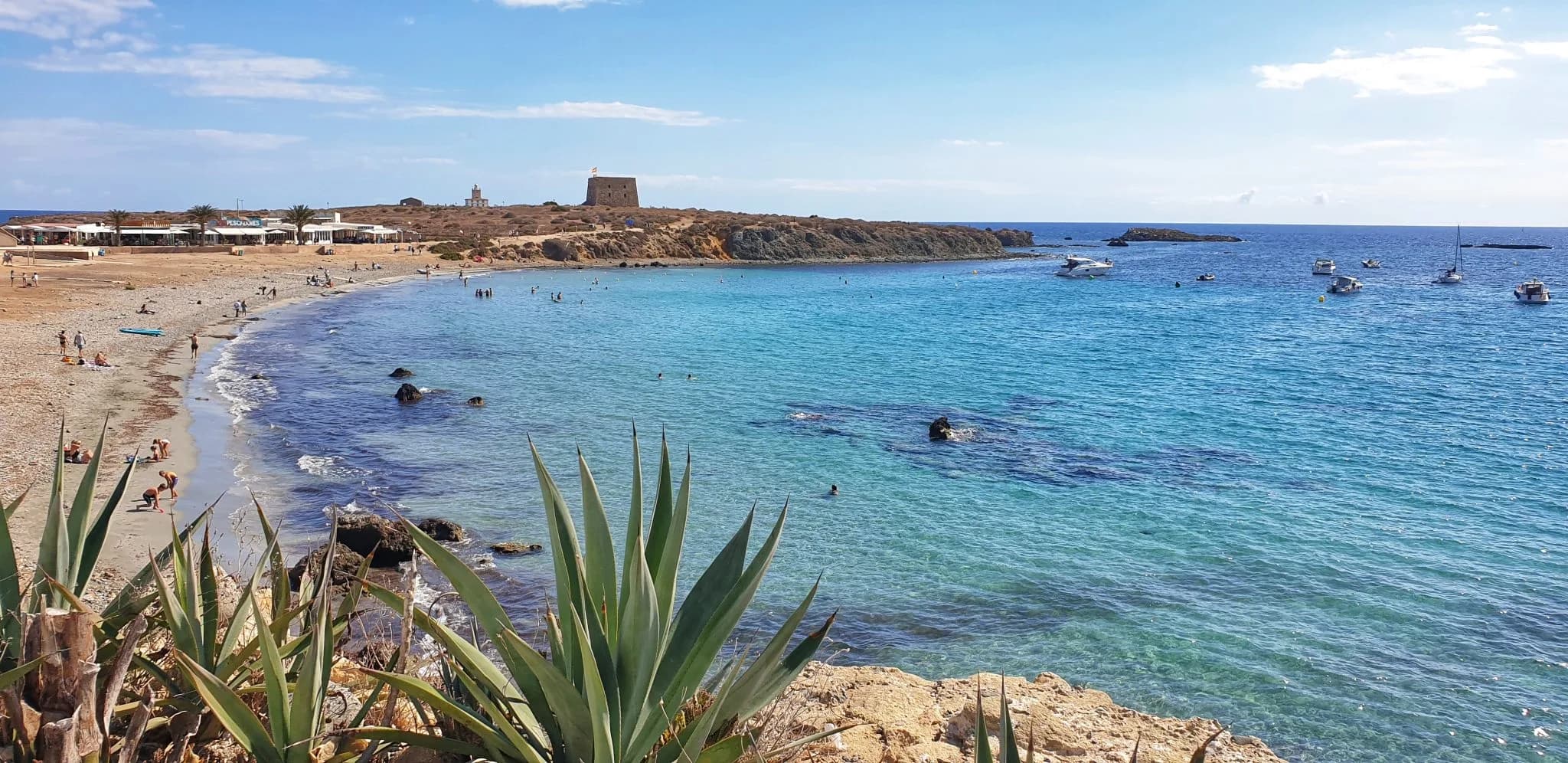
Tabarca (officially Isla de Tabarca, also known as Nueva Tabarca) sits just off the coast of Santa Pola in the province of Alicante on Spain's Costa Blanca. It is the smallest permanently inhabited island in Spain and the country's only marine nature reserve — a protected area of exceptional biodiversity, with crystal-clear water and a seabed that rewards anyone who looks below the surface.
The island is entirely car-free. Its old town dates to the 18th century, when King Charles III ordered the construction of a walled settlement here to protect the coast. The walls, gates, and fortified towers still stand. The population is small — a few hundred residents — most of whom depend on fishing and tourism.
25 min
Ferry from Santa Pola
1769
Year walls built
1.8 km²
Total island area
46,000 ha
Marine reserve extent
What to do on Tabarca
Tabarca rewards unhurried exploration. The island is small enough to walk entirely in under an hour — but gives you all day if you let it.
Snorkelling
The marine reserve surrounding Tabarca has exceptional underwater visibility. Sea grass, sea bream, octopus, and moray eels close to the surface. Best at Cala del Perro and the eastern rocky tip.
Swimming
Multiple coves and beaches surround the island. Playa de Levante is sandy and shallow — good for families. Poniente faces west. The water is warm from June through October.
Walk the sea walls
The 18th-century walls enclosing the old town take 30–40 minutes to circuit. Best in the morning light, with open views across the reserve and back toward the mainland.
Eat fresh seafood
Arròs a banda — rice cooked in fish stock — is the local speciality. The island's restaurants serve freshly caught fish and seafood daily. Reserve a table before you travel.
Explore the old town
Whitewashed streets, the church of San Pedro and San Pablo, and a small fishing port. One of the most photogenic villages on the Costa Blanca — quiet before 11am.
Watch the light change
Late afternoon on Tabarca is different. The crowd thins. The sea turns copper. The walls catch the last of the sun. Worth staying for the 17:00 or 18:00 return ferry.
Marine reserve
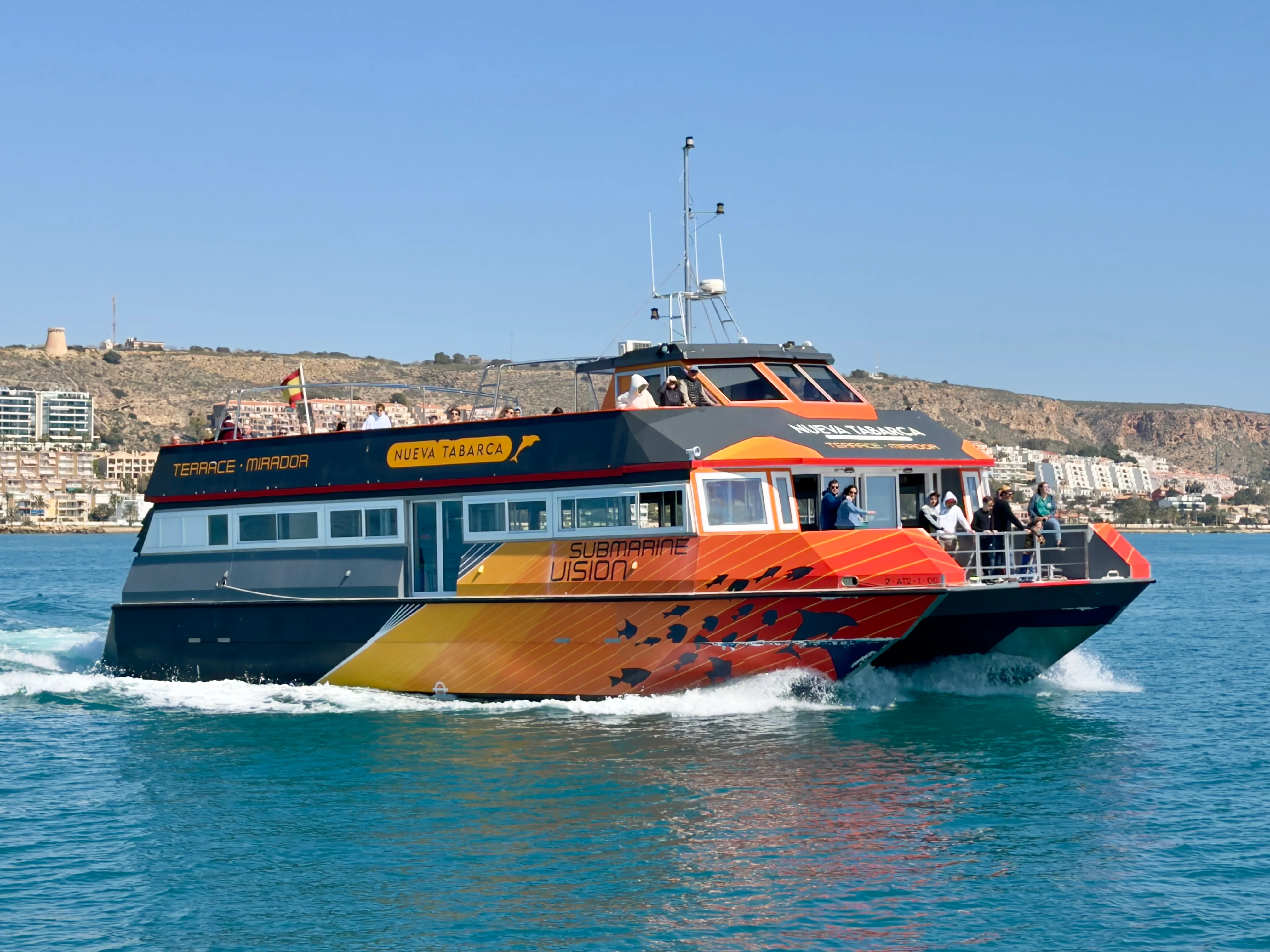
The waters surrounding Tabarca Island form a protected marine nature reserve — a 46,000-hectare area of exceptional biodiversity. Underwater visibility is outstanding. Posidonia sea grass, octopus, moray eels, sea bream, and other marine species are visible close to the surface without equipment beyond a mask and fins.
The best spots are Cala del Perro on the north side and the rocky eastern tip of the island, where the reserve is at its densest. A mask and snorkel are sufficient — no diving certification or guided tour required.
Beaches & coves
Tabarca is small but its coastline varies significantly. The right beach depends on what you are looking for.
 Best for families
The main beach. Sandy, sheltered, and the best for families with children. Shallow water, clear visibility, and the closest to the ferry dock.
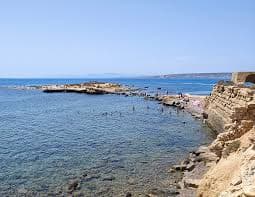 Best for afternoons
Faces west across the Mediterranean. Quieter than Levante, with a more sheltered feel and better afternoon light. Rocky at the edges.
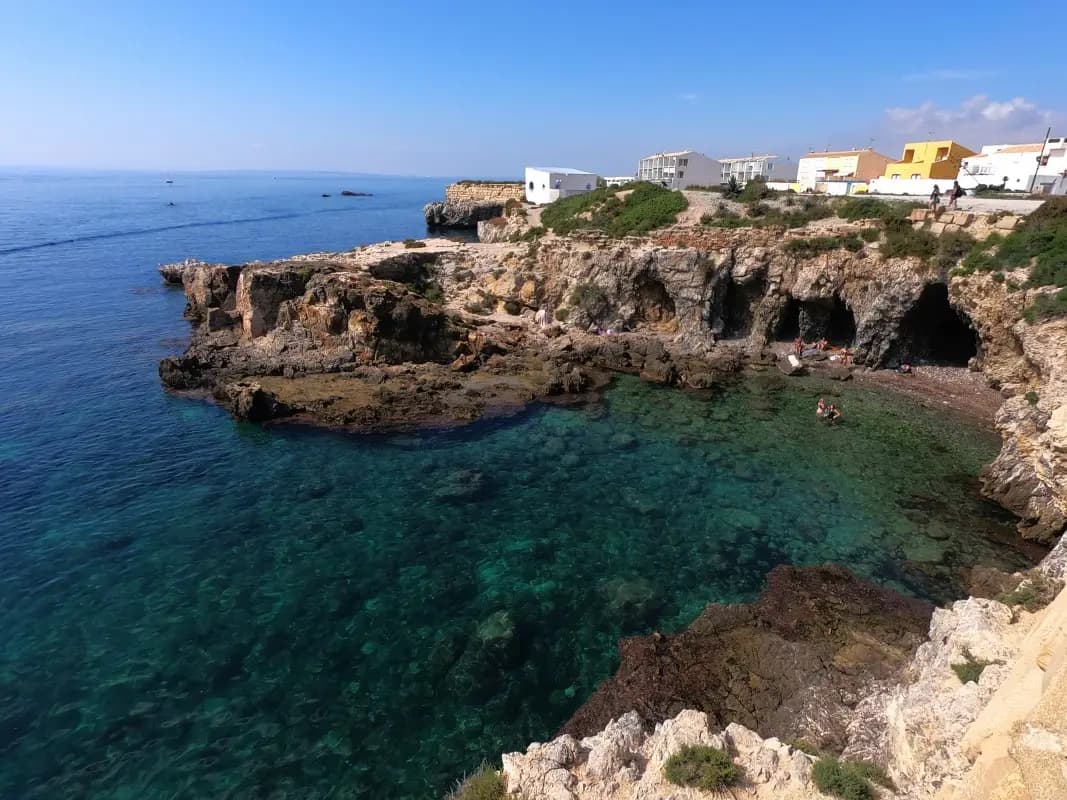 Best for snorkelling
A small rocky cove with the best snorkelling on the island. Posidonia sea grass, exceptional visibility, and fish you can watch face to face.
Suggested itinerary
This is how most visitors structure a day that covers the highlights without rushing.
When to go
The island is accessible year-round, but the experience varies considerably by season.
| Period | Rating | Notes |
|---|---|---|
| May – June | Excellent | Best overall combination. Restaurants open, water warm enough, island not crowded. |
| July – August | Peak season | Beautiful but busy. Book ferry + restaurant well in advance. |
| Sep – October | Excellent | Sea is warmest. Lower crowds. Often the best months to visit. |
| Nov – April | Off-season | Peaceful and uncrowded, but some restaurants close. Check before planning. |
How to get there
Practical notes
Ready to plan your trip?
Ferry ticket to Tabarca
Book your open return ferry from Santa Pola. ~25 minutes. Instant confirmation.
Book ferry tickets →Reserve a restaurant
Tables fill before 10am in summer. Book your slot, menu, and time before you travel.
Book a restaurant →Private sailing trip
Reach Tabarca by private Beneteau Oceanis 50 with skipper — swimming stop at a marine reserve cove included.
Request a sailing quote →Group events & corporate trips
We coordinate group crossings, restaurants, and activities for corporate outings, associations, and large family trips.
Plan a group trip →Send us a message and we will advise on ferry times, restaurant options, and the best plan for your group and dates.
Ask us anythingWe usually reply within a few hours during business days.
Tabarca Island FAQ
Everything you need to know before visiting — how to get there, what to do, when to go, and what to eat.
Tabarca (Isla de Tabarca) is Spain's only permanently inhabited marine nature reserve, located off the coast of Santa Pola in the province of Alicante on the Costa Blanca. It is a small, car-free island enclosed by 18th-century walls, famous for crystal-clear water, exceptional snorkelling, traditional seafood restaurants, and a relaxed Mediterranean atmosphere.